







Search Results for: sieve retention rate
Pour-Over Coffee Equipment Guide: V60 Dripper Design Principles, Material Comparison, and Detailed Explanation of One-Pour and Three-Stage Extraction Methods
In the world of pour-over coffee, the V60 dripper is an almost unavoidable classic piece of equipment. With its conical structure, large aperture, and spiral rib design, it can accommodate a variety of roast levels and brewing techniques, making it the dripper choice unanimously recommended by Front Street Coffee baristas. This article will start from the three major design elements of the V60, analyze its extraction principles, compare the heat retention and price differences among resin, ceramic, and glass materials, and explain in detail key parameters such as grind size, water temperature, and coffee-to-water ratio. Finally, using Front Street Coffee Costa Rica Strawberry Candy coffee beans as an example, it will provide a hands-on comparison of the flavor presentation differences between the one-pour and three-stage brewing methods, helping coffee enthusiasts find a brewing method that suits them. [more…]
Essential Pour-Over Coffee Equipment | Where Did the Hario V60 Dripper Come From? What Is the Extraction Ratio for Brewing Pour-Over Coffee with a V60? What Is the Difference Between the One-Pour and Three-Pour Water-Pouring Techniques?
When asked what coffee brewing dripper Front Street recommends, the baristas at Front Street almost unanimously answer: V60! The V60 dripper's long ribs help rapidly extract flavor compounds, and its large hole poses no risk of clogging, resulting in coffee with layered complexity. Whether you're a beginner or a seasoned connoisseur, whether you want a refreshing [more…]
Pour-over coffee draining slowly or taking too long to extract—what to do? Find out the causes of water pooling and practical adjustments.
In pour-over coffee, extraction time is often the most difficult variable to control. Many coffee enthusiasts, when brewing at home, have encountered the situation where hot water is slow to drain through and the time gets dragged out. To avoid over-extraction, some people remove the dripper early, but is this really effective? Starting from the brewing framework commonly used at Front Street, this article sorts out several main reasons for slow flow and water retention, including too many fines, improper pouring technique, and the characteristics of light-roasted beans, and offers corresponding solutions to help you improve your brewing performance without changing equipment. [more…]
What to Do If Your Pour-Over Coffee Is Ground Too Coarse? The Pros and Cons of Re-Grinding and Practical Solutions for Adjusting Parameters and Brewing Directly
If you accidentally grind your coffee too coarse while making pour-over, can you pour it back into the grinder and grind it finer? This is what's known as re-grinding. Although it's used in professional competitions to improve particle uniformity, it also brings two major problems: an increase in fines and grinder retention. Through experiments, Front Street Coffee found that after re-grinding, nearly 20 grams of grounds might be reduced to only about 13 grams—a shocking loss. If you don't have tools like a bellows, you might want to try a different approach: directly adjust parameters such as water temperature and pouring method, and use the coarser grounds to brew a good cup of coffee. This article uses Panama Elida Anaerobic Natural Catuai as an example to share a specific brewing plan, so you can handle unexpected situations with ease. [more…]

What Are the Similarities and Differences Between Drip Coffee and Pour-Over Coffee? A Full Analysis from Brewing Principles to Front Street Coffee's Practical Parameters
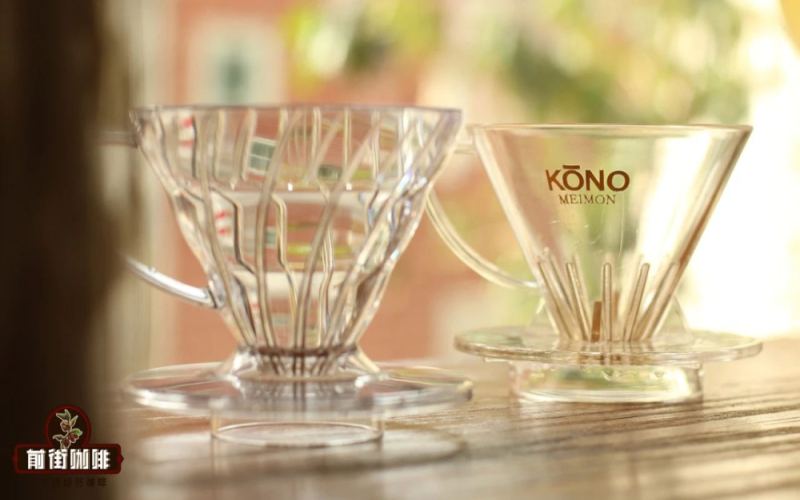
Drip coffee was the most common coffee brewing method worldwide before espresso became popular, and pour-over coffee is precisely the most representative member of the drip coffee family. This article starts from the origin and principles of drip coffee, compares it with espresso in terms of concentration, flavor retention time, suitable bean types, and grind size, and breaks down in detail the impact of water temperature on extraction results. Using the V60 and KONO drippers as examples, Front Street Coffee provides specific brewing parameters and staged extraction techniques for light-roasted and medium-dark-roasted beans respectively, helping coffee enthusiasts consistently reproduce their ideal flavors at home. [more…]
The Beginner's Must-Learn One-Pour Center-Pour Method: Yirgacheffe Red Honey Process V60 Brewing Parameters and Flavor Analysis
Pour-over coffee may seem complicated, but there is actually a low-effort yet stable extraction method—the single-pour center pour. It doesn't require segmented circling; simply keep pouring continuously after the bloom, making it especially suitable for those new to pour-over. This article uses the Yirgacheffe Red Honey Red Cherry recommended by Front Street Coffee as an example, first introducing the classification of honey processing and the proportion of pectin retained, then using the Hario V60 dripper to conduct a comparative brewing of two different grind sizes: a coarse grind BG-7K paired with a longer pouring time, and a fine grind BG-6M paired with a shorter pouring time, to experience the flavor differences under the same coffee-to-water ratio and water temperature. The article also explains in detail how the V60's rib structure affects flow rate, and why pouring stability is far more important than fancy techniques. [more…]
Filter Cup Buying Guide: How Material, Flow Rate, Shape, and Functional Design Affect Pour-Over Coffee Flavor
The popularity of pour-over coffee is inseparable from the dripper, a key piece of equipment. From Mrs. Melitta's accidental experiment with blotting paper and a copper bowl to today's dazzling array of drippers, choosing a suitable one has become a source of confusion for many coffee lovers. Front Street Coffee starts from four dimensions—material, flow rate, appearance design, and functional design—and, combining hands-on testing data with in-store experience, analyzes the specific effects of different drippers on extraction temperature, water flow speed, and coffee flavor layers. Whether you seek stability and beginner-friendliness or wish to finely control the direction of flavor, this article will provide you with practical purchasing ideas and references. [more…]
Key Points for Using a Coffee Grinder | Do You Need to Clean the Grinder Before Grinding Coffee Beans? What Should You Watch Out for When Using a Coffee Bean Grinder?
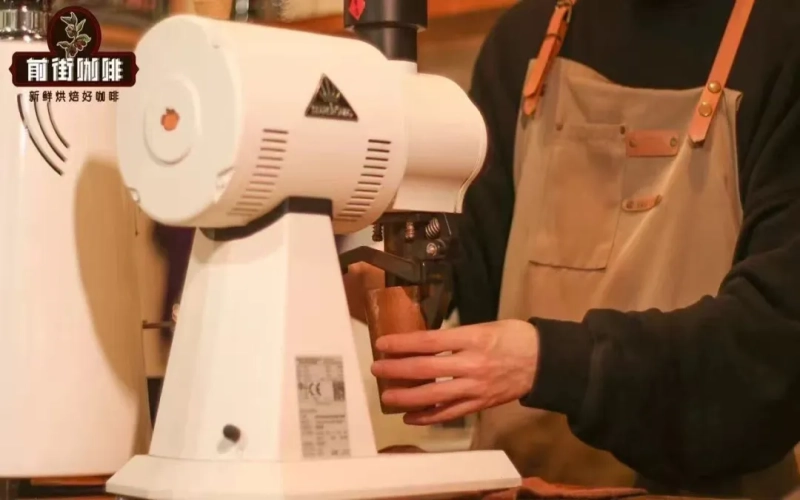
Many friends who originally used hand grinders have purchased an electric coffee grinder to grind coffee beans, with the aim of freeing their hands and no longer needing to go through the tedious grinding process. However, electric grinders are different from hand grinders, and there are many details to pay attention to when using them. If you are not careful, it is easy to shorten the life of the grinder and affect the grinding quality. [more…]
Analyzing the Pros and Cons of French Press vs. Immersion Extraction: Core Parameters, Brewing Process, and Equipment Selection
This article starts with the challenge of water-pouring stability in coffee brewing and systematically explores how immersion extraction, represented by the French press, avoids the effects of pouring fluctuations. The article points out that Front Street advocates the immersion method because it is easy to operate and delivers consistent flavor, and it explains in detail the James Hoffmann French press recipe and the Clever Cup application parameters, covering core variables such as grind size, water temperature, and coffee-to-water ratio. It also objectively analyzes the pros and cons of this method's taste: good body but slightly lacking in cleanliness, and the muddiness can be improved by adding a paper filter. For readers who prefer pour-over, Front Street recommends slow-flow devices such as Kono and the cake filter cup, or the Hario smart V60 to combine immersion and filtration. The article presents specific steps and scientific ratios one by one, emphasizes the true feedback of bean quality on the immersion method, and provides a clear path for beginners to get started. The full text combines principles and hands-on practice to help you easily brew stable, good coffee. [more…]
Starbucks Coffee Bean Pour-Over Grind Size Guide: A Detailed Explanation of Coarseness Assessment and Adjustment Methods
Many coffee enthusiasts, after buying Starbucks coffee beans, often find themselves at a loss when faced with the grinder settings, worrying that grinding too coarse or too fine will ruin the coffee's flavor. In fact, grind size directly affects the speed at which water passes through the coffee bed and the extraction efficiency, making it a key variable that determines the success of a pour-over. Starting from Front Street's brewing practices, this article first explains the underlying logic of how grind size affects extraction, then separately describes the appearance of the coffee bed and the drip performance when the grind is too fine versus too coarse, and finally provides specific steps for measuring the passing rate with a 0.85mm test sieve and precisely calibrating the grind setting, helping you find the right grind parameters for Starbucks beans of different roast levels. [more…]
A Comprehensive Analysis of Decaf Coffee Beans: Pros and Cons, Health Effects, and a Detailed Look at Four Decaffeination Methods
Excessive caffeine can cause palpitations, insomnia, and other issues. For coffee lovers, decaf coffee offers a compromise that balances flavor and health. This article will systematically review the history of decaf coffee, the principles of decaffeination, and four mainstream processes, analyze the advantages and disadvantages of decaf coffee in terms of antioxidant components and nutrient retention, and answer the common question of whether decaf coffee is harmful to the body. At the same time, Front Street Coffee will share the variety composition, roasting curve, cupping performance, and brewing parameters of its newly launched Colombian decaf coffee, providing coffee enthusiasts with a complete reference guide to decaf coffee. [more…]
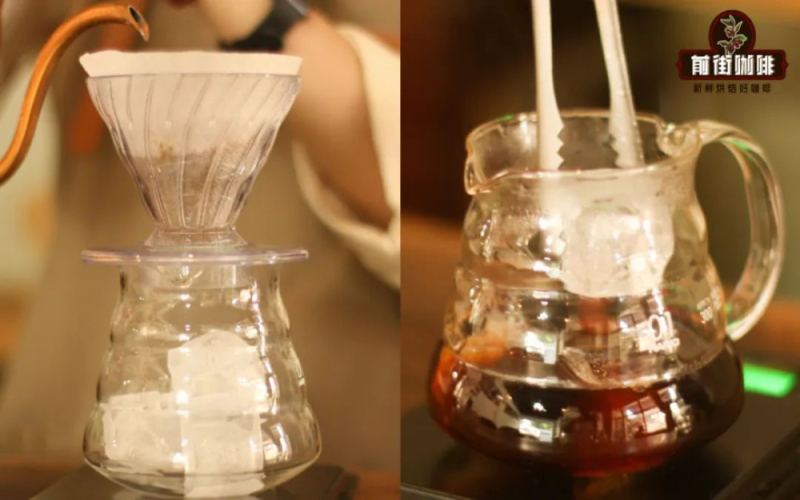
Iced Pour-Over Coffee Ice Timing Comparison Experiment: How Does Adding Ice First vs. Adding Ice Later Affect Flavor and Strength?
In the preparation of iced pour-over coffee, should the ice be placed into the server in advance, or added only after brewing is complete? This question appears to concern only the order of operations, yet it may affect the cooling speed of the coffee liquid, the retention of aroma, and the final concentration. Front Street Coffee used a washed Geisha from Colombia's Finca La Divisa as a sample, and by controlling the coffee-to-water-to-ice ratio, grind size, water temperature, and brewing technique, conducted a comparative tasting of the two methods—"ice first" and "ice after"—while recording temperature and flavor changes at different time points. The experiment attempted to answer: does the order of adding ice truly produce a perceivable difference, or is it merely an illusion caused by the time gap? [more…]

A Complete Guide to Common Home Pour-Over Coffee Problems: Fixes for Stalling, Sudden Flow Changes, Off-Flavors, and Burnt Bitterness
Brewing coffee at home—when neither the equipment nor the beans are lacking, yet accidents still happen all too often: the final drawdown pools and drips endlessly, the flow rate suddenly speeds up at the same grind setting, sometimes it tastes great and sometimes it's rife with off-flavors, and the aftertaste carries a smoky, bitter char... Where exactly do these problems originate? Drawing on Front Street's hands-on experience, this article breaks down one by one the five most common extraction pitfalls in home brewing—from fine-particle clogging, the characteristics of anaerobic beans, and the effects of water quality to pouring technique and dark-roast parameter settings—to help you pinpoint the root cause and bring every pour-over cup closer to the ideal flavor. [more…]
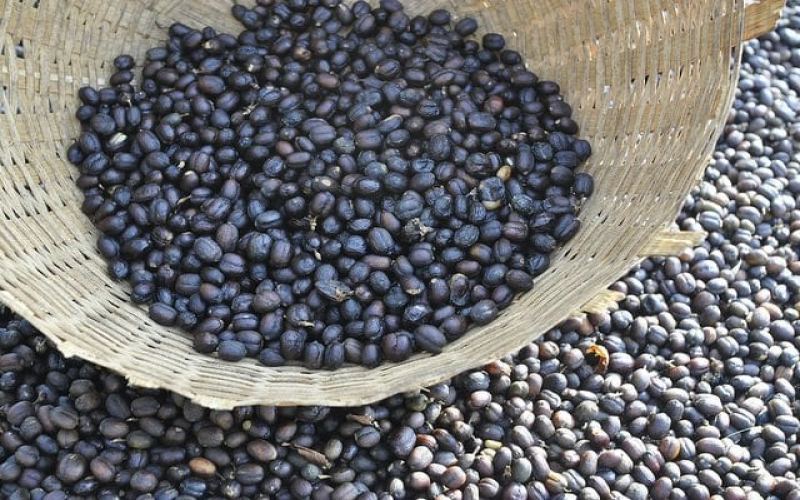
A Comprehensive Analysis of the Natural Process: From Traditional Drying to the Flavor Code of Specialty Coffee
The natural process is the oldest method of processing coffee beans, drying coffee cherries together with their pulp under the sun, known in English as Natural. This processing method maximizes the retention of sugars and aromas in the pulp, giving the coffee beans rich tropical fruit flavors, full-bodied fermentation notes, and sweetness. However, traditional natural processing was once heavily criticized for inconsistent quality control, until the rise of the specialty coffee wave, when refined natural processing techniques revived this ancient method. This article will guide you through the principles of the natural process, its historical evolution, the revolutionary significance of the Red Cherry Project, as well as recommendations and brewing parameters for several Front Street natural process coffee beans, allowing you to deeply experience the unique charm of natural coffee. [more…]
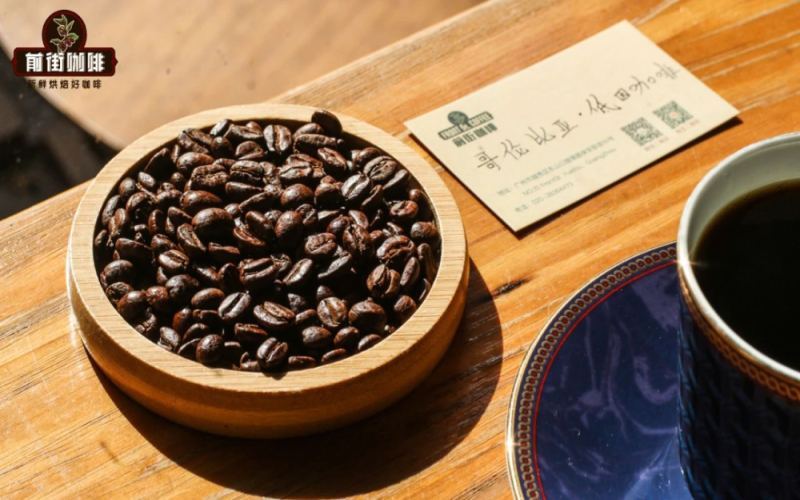
Colombia Swiss Water Process Decaf Coffee: A Detailed Guide to Brewing Parameters, Roasting Points, and Flavor Characteristics
Caffeine-sensitive individuals often face the dilemma of being unable to freely enjoy coffee, and the Colombia Decaf beans recently launched by Front Street Coffee offer a new option for such enthusiasts. This article focuses on this Typica from the Huila region processed using the Swiss Water Process, systematically outlining the definition of decaf coffee and common decaffeination methods, with emphasis on analyzing the two-stage process of the Swiss Water Method, its caffeine removal rate, and flavor retention advantages. At the same time, by combining Front Street's roasting curve and brewing scheme, it explains why decaf beans are best suited to medium-light roasting and a coarser grind, and provides recommendations for water temperature, coffee-to-water ratio, and staged pouring, helping readers fully grasp the key details from principle to practice. [more…]
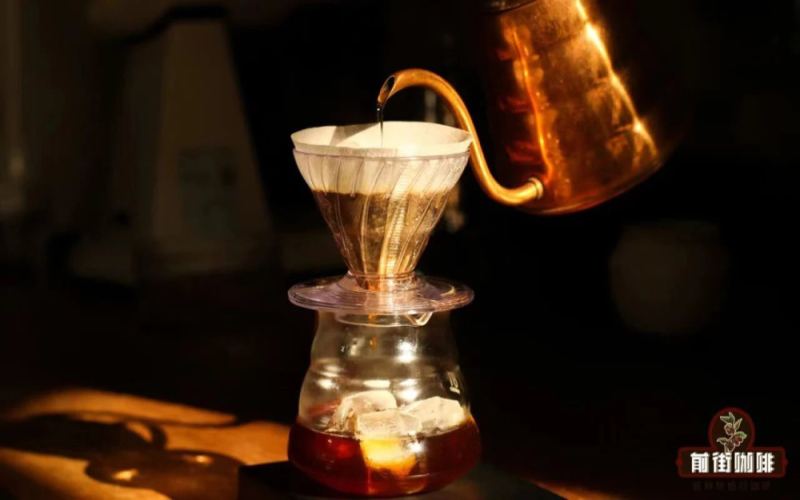
How Coffee Grind Size Affects Flavor in Pour-Over | Coffee Grounds Shelf Life and Grind Adjustment Methods
The grind size of coffee directly determines the contact area between water and coffee grounds as well as the extraction rate, thereby profoundly influencing the flavor profile of the final cup. However, when faced with different brewing devices and roast levels, how to find the right grind size has become a challenge for many coffee enthusiasts. This article draws on the practical experience of Front Street Coffee, first emphasizing the importance of fresh roasting and bean resting, then carefully analyzing the bidirectional impact of grind size on flavor—too fine leads to bitterness, while too coarse results in a weak and bland cup—and provides specific passing rate references for calibration using a No. 20 sieve (0.85mm). It also offers recommendations for matching brewing devices and coffee beans across five levels: extra fine, fine, medium-fine, medium, and coarse, helping readers find their own perfect cup of coffee. [more…]
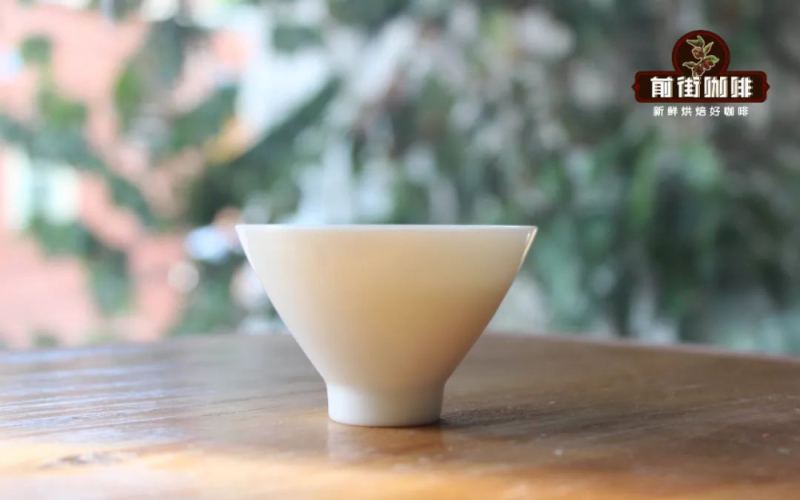
How the shape of the cup rim changes the flavor expression and drinking experience of pour-over coffee
When drinking pour-over coffee, does the shape of the cup really affect the taste? Front Street used three common cup types—wide-mouth, straight-walled, and tapered—to conduct a comparative tasting of the same coffee, and found that aroma, acidity, sweetness, and body all show noticeable differences depending on the rim design. Starting from cup type classification, this article combines the brewing performance of Guatemala Geisha, Brazil Queen's Estate, and Ethiopia Yirgacheffe Gutingding to analyze how different rims guide the flow of coffee liquid in the mouth and temperature changes, and offers cup selection suggestions for acidic, bitter, and aroma-forward coffee beans, helping coffee enthusiasts find a drinking method that suits them better. [more…]
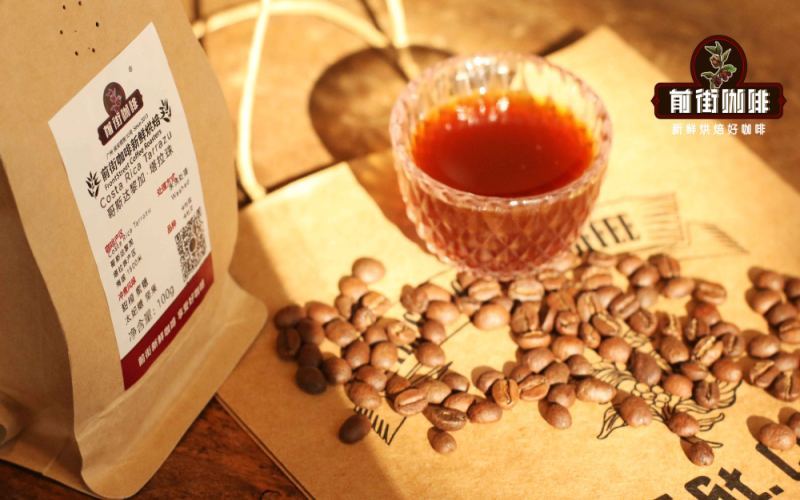
Costa Rica Red Honey Coffee Flavor Analysis: The Sweet-Acid Balance and Chocolate Texture of Las Haras Estate in the Central Valley
As the first country in Central America to cultivate coffee, Costa Rica boasts fertile volcanic soil and a suitable climate that nurture high-quality Arabica coffee with a balanced, mild profile and bright fruity acidity. This article focuses on Front Street Coffee's Costa Rica Las Haras Estate Red Honey processed coffee, offering an in-depth introduction to the characteristics of the Central Valley producing region, the background of Las Haras Estate, and its unique honey processing classification system. By comparing the pectin retention ratios and drying durations of Yellow Honey, Red Honey, and Black Honey, it analyzes how Red Honey processing delivers a substantial, syrupy mouthfeel and vivid fruity notes. It also shares the roasting curve and brewing parameters for Front Street Coffee's Blackberry Coffee, providing coffee enthusiasts with a complete flavor guide from producing region to cup. [more…]
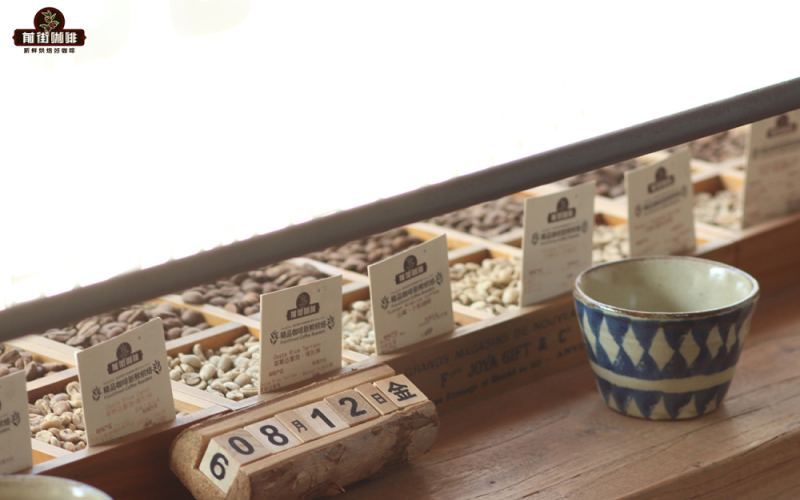
What grind size is standard for cupping? An analysis of how to determine the grind size and water temperature for pour-over black coffee
When you get an unfamiliar single-origin coffee bean, how do you accurately judge its flavor performance? Cupping is the industry-standard method. Front Street Coffee conducts cupping on every coffee bean it acquires, whether or not it goes on the shelves. This article uses the SCA cupping system as its benchmark and provides a detailed introduction to the equipment and parameters required for cupping, including sample bean processing, grind size calibration, coffee-to-water ratio, water quality and temperature requirements, as well as the operating procedures for dry aroma, wet aroma, breaking the crust, and skimming. After cupping is completed, the pour-over grind size and brewing water temperature must also be determined according to the roast level. Light-roast and medium-roast coffee beans each have different standards for sieve pass-through rate and water temperature selection. [more…]
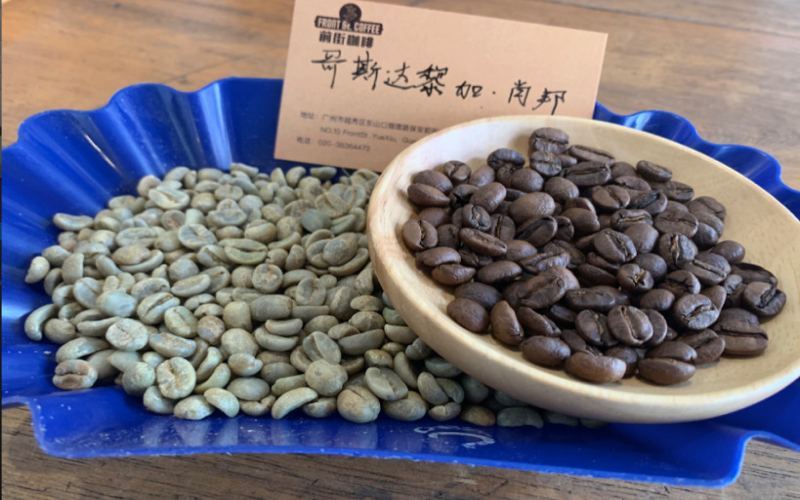
Costa Rica Canet Estate Chopin Coffee: Four Pour-Over Brewer Methods and Flavor Comparison
Front Street Coffee has recently added Chopin coffee beans from Costa Rica's Canet Estate to its lineup. After joining the Musician Series, this bean has drawn attention for its prominent rose aroma and sweetness in cupping. To investigate how different brewing devices affect the flavor expression of this bean, Front Street Coffee conducted four comparative brews using the Hario V60, Ice Eye dripper, Strawberry dripper, and Origami dripper. This article focuses on the structural characteristics of these four drippers, the parameters and brewing techniques used for each, and the resulting differences in aroma, acidity, sweetness, and finish, helping coffee enthusiasts find an extraction approach better suited to their own taste. [more…]